Research Overview
The Embodied Computation Group investigates how visceral and embodied processes shape our decision-making, emotion, and conscious perception. Our research program combines computational modelling, psychophysics, physiological measures, and advanced neuroimaging.
Methods
Our research uses an integrated set of methods spanning computation, brain imaging, and physiology:
- Computational modelling: Bayesian inference, predictive coding, and network models
- Neuroimaging: fMRI and MEG/EEG, with computational models of neural and brain–body dynamics
- Psychophysics: Signal detection theory, threshold estimation, and metacognitive measures
- Interoception: Domain-specific methods targeting cardiac, respiratory, and gastric signals
- Physiology: ECG, respiratory measures, electrogastrography (EGG), pupillometry, and skin conductance
Visceral Inference & Interoception
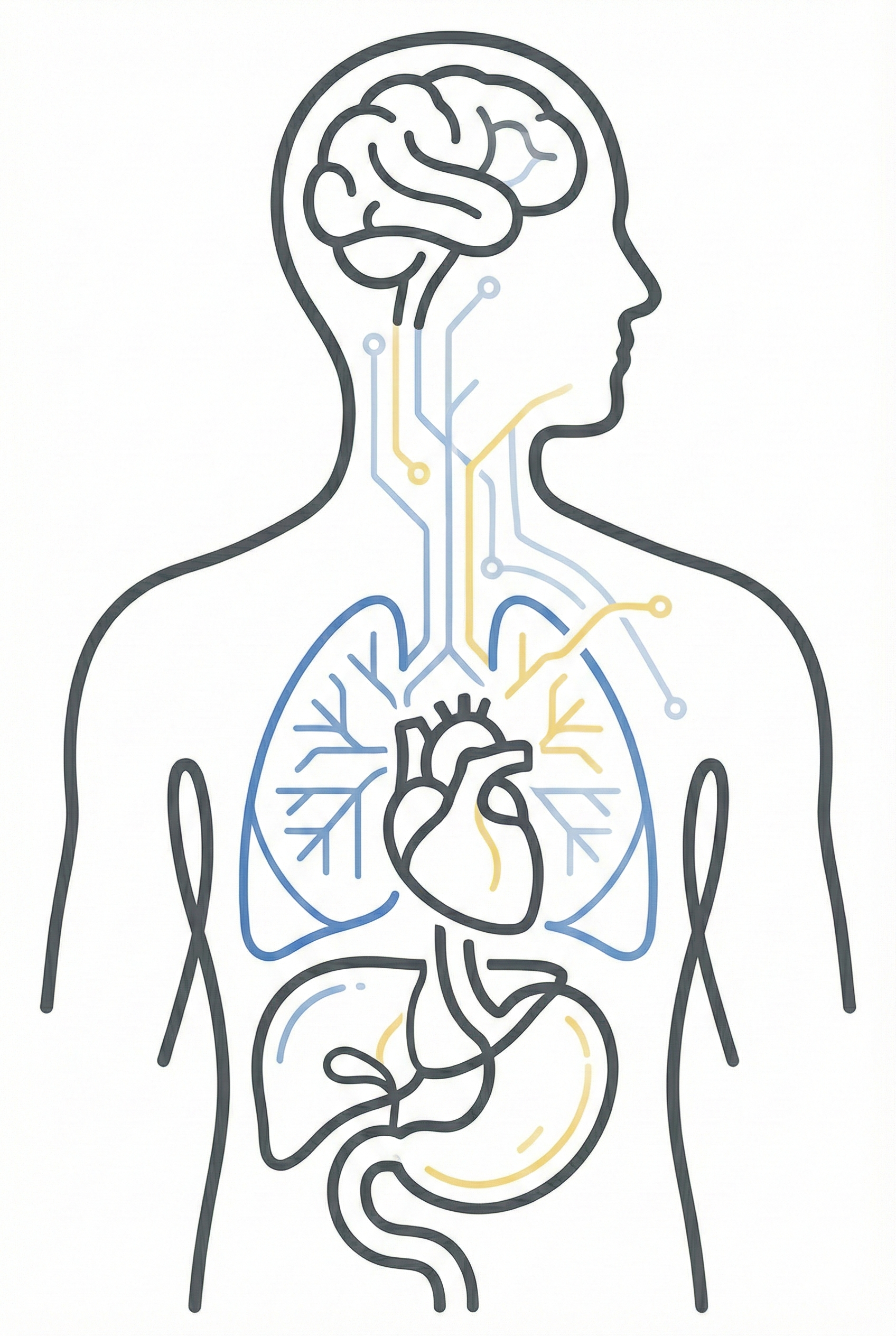
How does the brain process signals from within the body, and how do our beliefs and expectations shape our embodied self experience? We study the computational and neural mechanisms underlying interoception - the sense of the internal state of the body. Our work examines how cardiac, respiratory, and gastric signals influence perception, attention, and decision-making. Using computational and psychophysical techniques, as well as maker methods like 3D printing, we develop open source, robustly validated tools for quantifying interoception across different domains. This enables us to understand how beliefs and expectations are integrated with visceral signals in different contexts and populations.
Representative Publications:
- Allen, M., Varga, S., & Heck, D. H. (2022). Respiratory rhythms of the predictive mind. Psychological Review. [PDF]
- Legrand, N., Nikolova, N., Correa, C., Brændholt, M., Stuckert, A., Kildahl, N., Vejlø, M., Fardo, F., & Allen, M. (2022). The heart rate discrimination task: A psychophysical method to estimate the accuracy and precision of interoceptive beliefs. Biological Psychology, 168, 108239. [PDF]
- Nikolova, N., Harrison, O., Toohey, S., Brændholt, M., Legrand, N., Correa, C., Vejlø, M., Jensen, M. S., Fardo, F., & Allen, M. (2022). The respiratory resistance sensitivity task: An automated method for quantifying respiratory interoception and metacognition. Biological Psychology, 170, 108325. [PDF]
Computational Models of Brain-Body Interaction
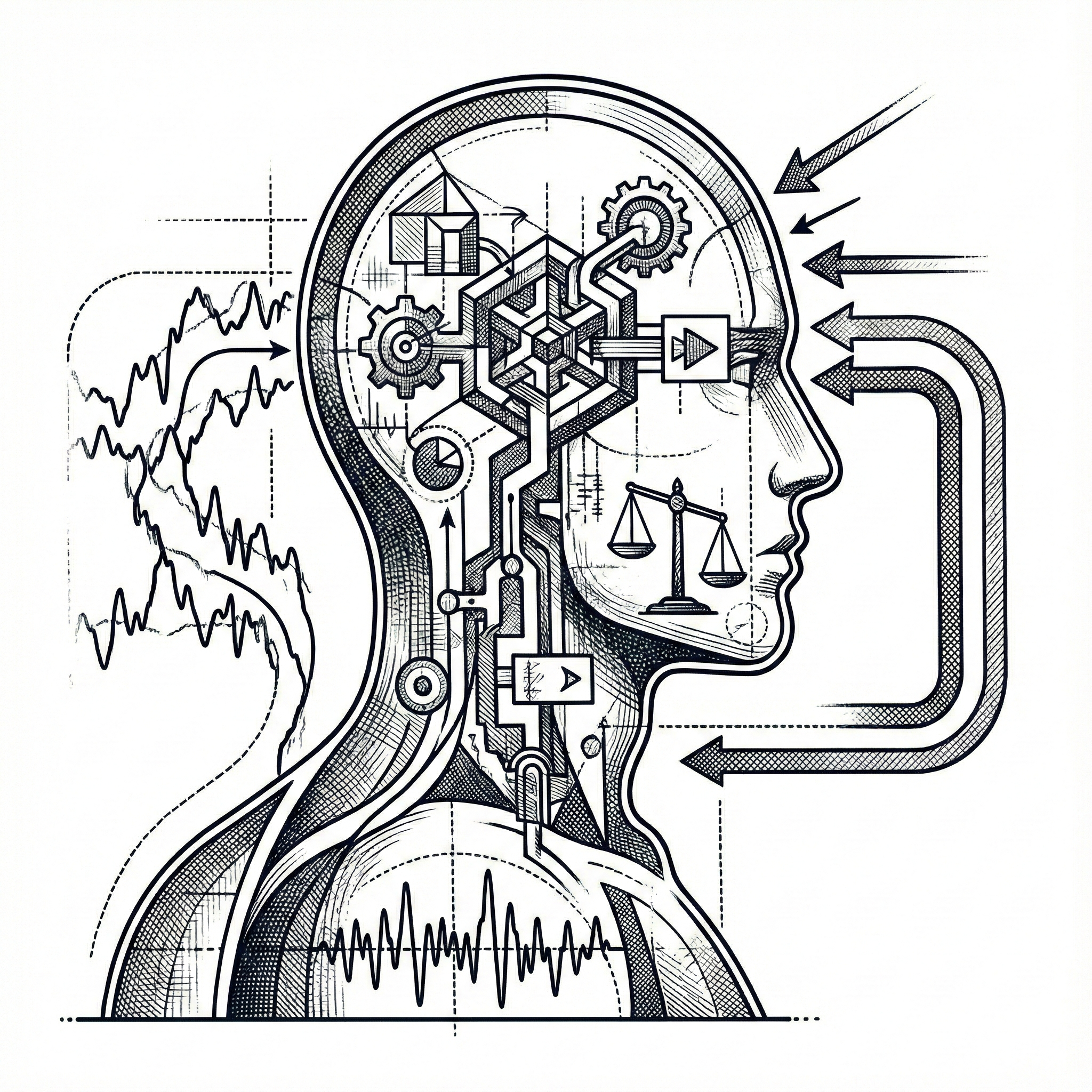
We develop and test computational models that formalize how the brain integrates bodily signals with external sensory information. Drawing on predictive processing and active inference frameworks, we aim to understand the computational principles governing embodied cognition.
Representative Publications:
- Allen, M., Levy, A., Parr, T., & Friston, K. J. (2022). In the Body’s Eye: The computational anatomy of interoceptive inference. PLOS Computational Biology, 18(9), e1010490. [PDF]
- Brændholt, M., Nikolova, N., Vejlø, M., Banellis, L., Fardo, F., Kluger, D. S., & Allen, M. (2025). The respiratory cycle modulates distinct dynamics of affective and perceptual decision-making. PLOS Computational Biology, 21(5), e1013086. [PDF]
- Courtin, A. S., Ehmsen, J. F., Banellis, L., Fardo, F., & Allen, M. G. (2025). Hierarchical Bayesian Modelling of Interoceptive Psychophysics. bioRxiv. [PDF]
Emotion & Affect

Emotions are fundamentally embodied experiences. We investigate how bodily states contribute to emotional experience and how disruptions in brain-body interaction may contribute to affective disorders such as anxiety and depression.
Representative Publications:
- Allen, M., Frank, D., Schwarzkopf, D. S., Fardo, F., Winston, J. S., Hauser, T. U., & Rees, G. (2016). Unexpected arousal modulates the influence of sensory noise on confidence. eLife, 5, e18103.
- Banellis, L., Nikolova, N., Brændholdt, M., Vejlø, M., Fardo, F., Smallwood, J., & Allen, M. G. (2024). Body-wandering reveals an embodied dimension of thought with distinct affective and neural signatures. bioRxiv.
- Ehmsen, J. F., Nikolova, N., Christensen, D. E., Banellis, L., Böhme, R. A., et al. (2025). Thermosensory predictive coding underpins an illusion of pain. Science Advances, 11(11), eadq0261.
Consciousness, Perception, and Metacognition
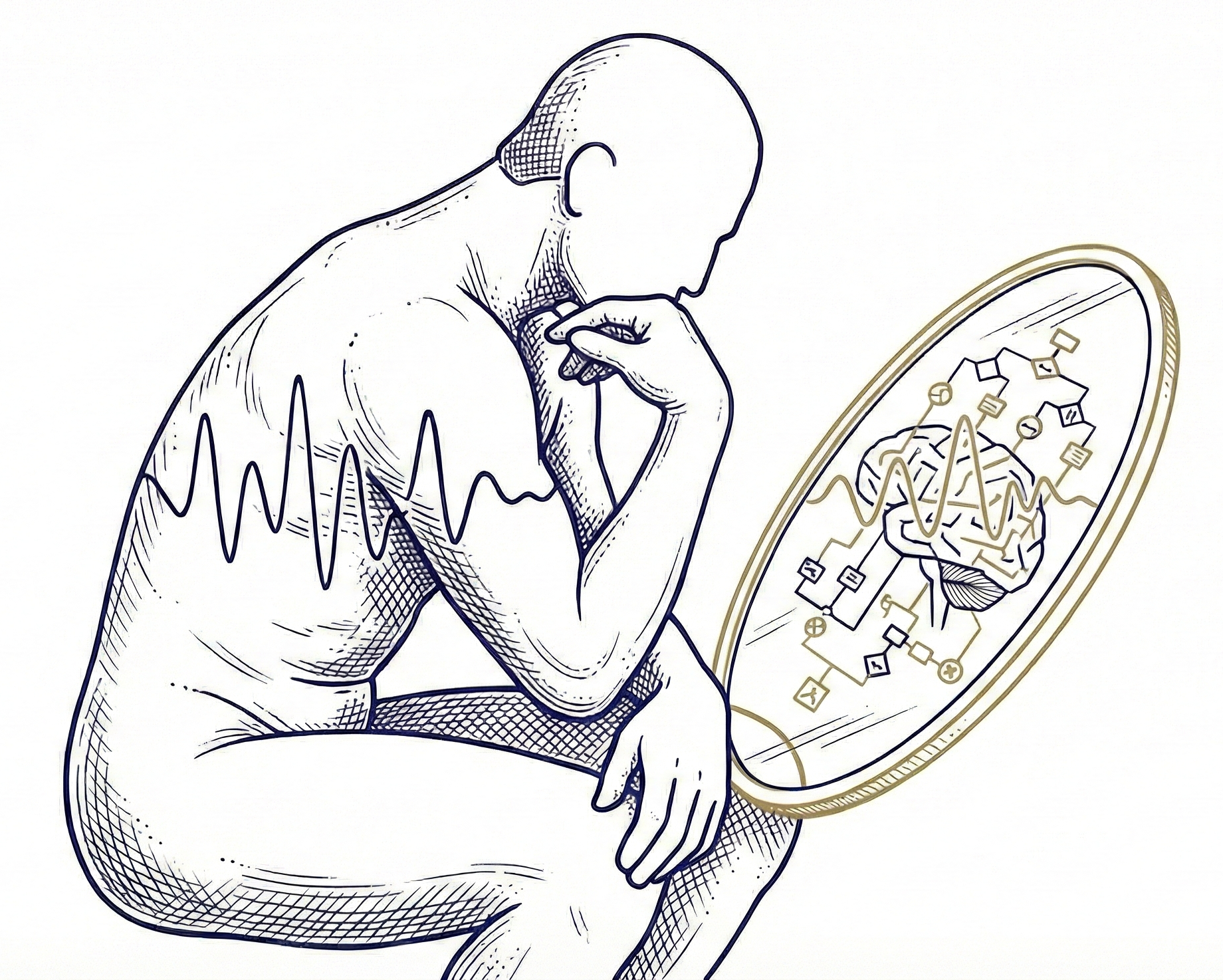
How do we form confidence in our decisions and perceptions? Our work spans perceptual and value-based decision making to understand how we form confidence representations and the computational principles underlying metacognition. We develop new computational models of metacognition across cognitive, perceptual, and interoceptive domains. A key focus is understanding how these processes interact with brain-body dynamics and interoception, including how cardiac and respiratory cycles modulate conscious perception and awareness.
Representative Publications:
- Allen, M., Hauser, T. U., Schwarzkopf, D. S., Dolan, R. J., & Rees, G. (2022). Uncertain Precision: Neurobiological and Physiological Correlates of Conservative Confidence Bias. bioRxiv.
- Hoogervorst, K., Banellis, L., & Allen, M. G. (2025). Domain-specific updating of metacognitive self-beliefs. Cognition, 254, 105965.
- Lund, A. E., Corrêa, C. M. C., Fardo, F., Fleming, S. M., & Allen, M. G. (2025). Domain generality in metacognitive ability: A confirmatory study across visual perception, episodic memory, and semantic memory. Journal of Experimental Psychology: Learning, Memory, and Cognition, 51(10), 1594–1605.
Causal Interventions in Interoception
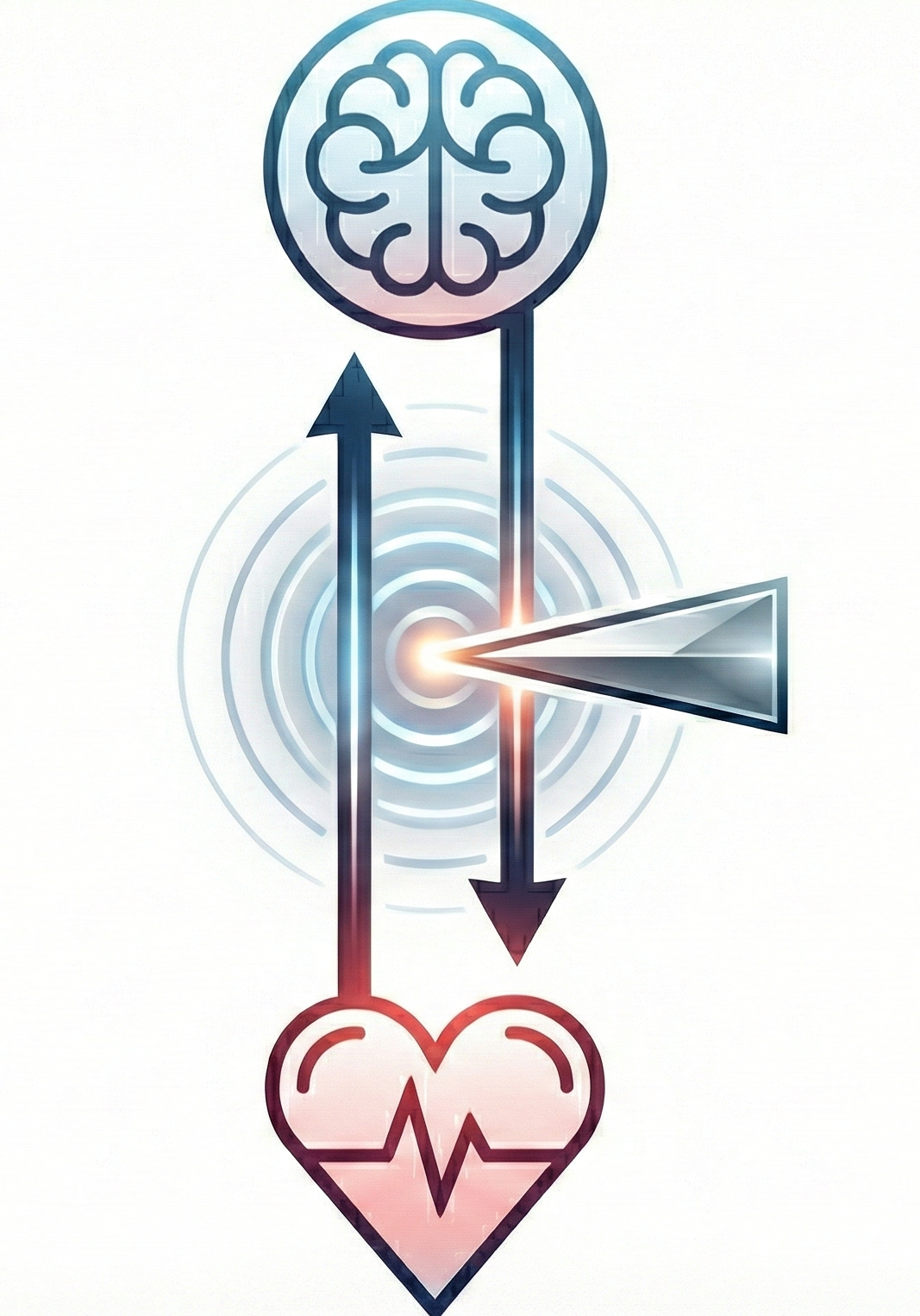
Developing causal manipulations of neurovisceral connections and visceral afferents is essential to understand and disentangle the intricate web of brain-body connections that govern emotion, consciousness, and mental health. In this work, we develop pharmacological, behavioral, and lifestyle interventions, as well as emerging neural stimulation techniques including vagal nerve stimulation and ultrasound stimulation, to causally perturb specific neural and visceral foci and understand their role in interoception and beyond.
Representative Publications:
- Hauser, T. U., Allen, M., Purg, N., Moutoussis, M., Rees, G., & Dolan, R. J. (2017). Noradrenaline blockade specifically enhances metacognitive performance. eLife, 6.
- Duerler, P., Brem, S., Fraga-González, G., Neef, T., Allen, M., et al. (2021). Psilocybin Induces Aberrant Prediction Error Processing of Tactile Mismatch Responses. Cerebral Cortex, bhab202.
- Leganes-Fonteneau, M., Desmedt, O., Allen, M. G., Wiers, R. W., & Maurage, P. (2025). Mapping acute alcohol effects on bodily sensations: A cross-dimensional interoceptive approach. Journal of Psychopharmacology, 39(7), 682–693.
- Tyrer, A., Ehmsen, J. F., Hoogervorst, K., Nikolova, N., et al. (2025). Peripheral Beta-Blockade Differentially Enhances Cardiac and Respiratory Interoception. bioRxiv.
Clinical Applications & Computational Psychiatry
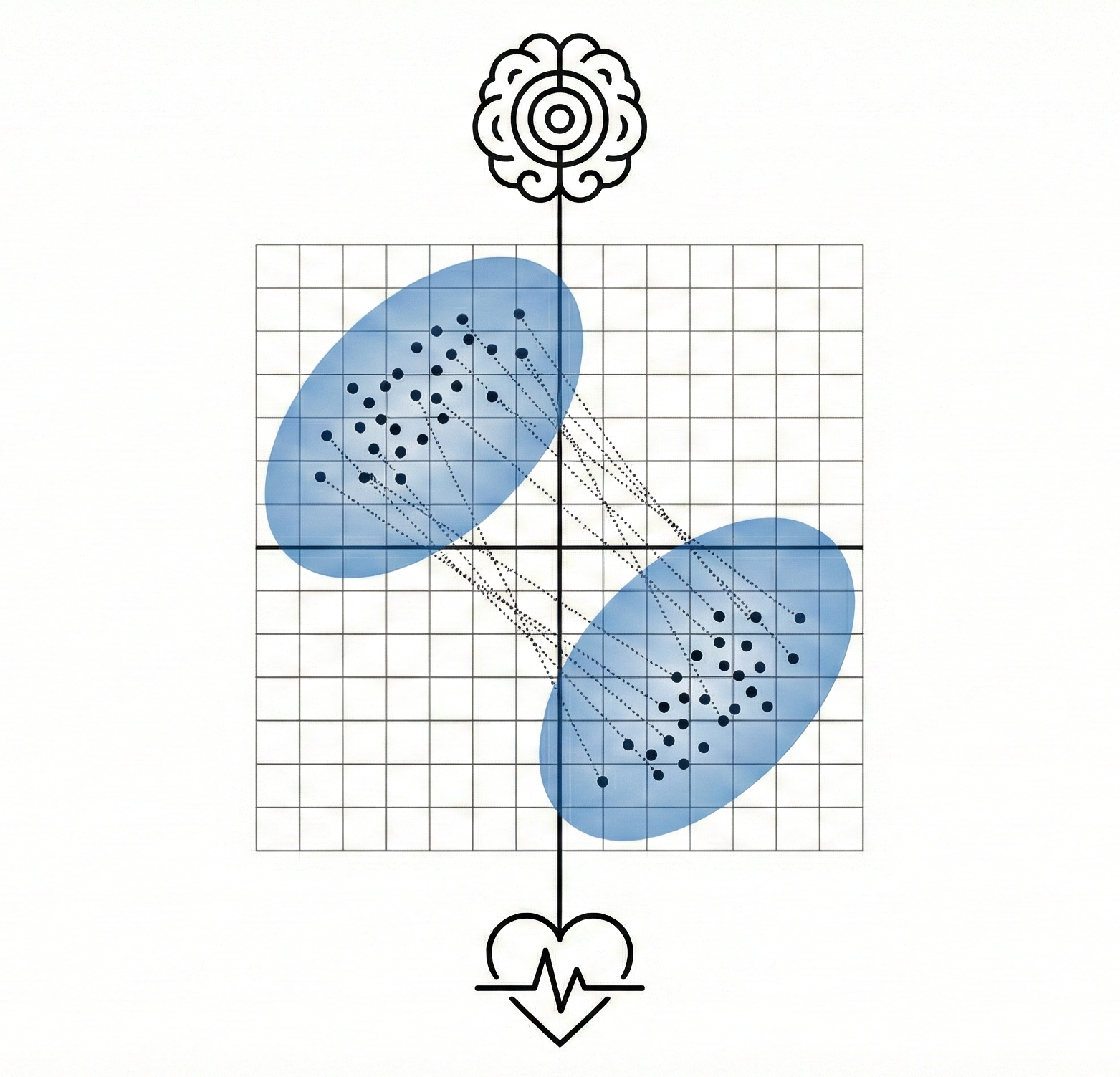
We bring together our models, manipulations, and measures to map, understand, phenotype, and ultimately intervene upon disorders of mood, affect, and brain-body interaction. This work is particularly focused on interoception as a bridge between somatic and psychiatric illnesses and their strong comorbidities. For example, patients with psychiatric illnesses are more than twice as likely to die from cancer and cardiometabolic disease, and suffer substantially worse outcomes and delays in their journey through the healthcare system. We believe interoception plays a key role in this and are actively applying our research to help patients from both sides achieve better outcomes.
Representative Publications:
- Jeganathan, J., Campbell, M. E. J., Legrand, N., Allen, M., & Breakspear, M. (2024). Aberrant Cardiac Interoception in Psychosis. Schizophrenia Bulletin, sbae078.
- Banellis, L., Rebollo, I., Nikolova, N., & Allen, M. (2025). Stomach–brain coupling indexes a dimensional signature of mental health. Nature Mental Health, 3(8), 899–908.
- Banellis, L., Nikolova, N., Ehmsen, J. F., Courtin, A. S., et al. (2025). Interoceptive Ability is Unrelated to Mental Health Symptoms. medRxiv.
Visit our publications page for a complete list of our research outputs.